How to Form Adverbs Ending in “-mente”

Adverbs ending in “-mente” are very common in Spanish and are used to modify verbs, adjectives, or other adverbs. They usually express manner, but can also indicate other circumstances like quantity, time, or affirmation. In this article, we explain how to form them correctly and when to use them. How Are They Formed? To form … Read more


What is the origin of flamenco in Spain?

Flamenco is one of the most iconic artistic expressions of Spain, especially from the region of Andalusia. This art form, which combines singing, dancing, and guitar, has been recognized as Intangible Cultural Heritage of Humanity by UNESCO since 2010. But where does it come from? MaestroMío will explain it to you clearly and simply! Influences … Read more

When to Use an Accent Mark (Tilde)

Accent marks (tildes) might seem complicated, but they actually follow very clear rules. In this article, we’ll explain in a simple way how to determine if a word needs a tilde. Let’s go step by step! What Does the Tilde Indicate? The tilde is the small mark (´) placed over a vowel to indicate the … Read more

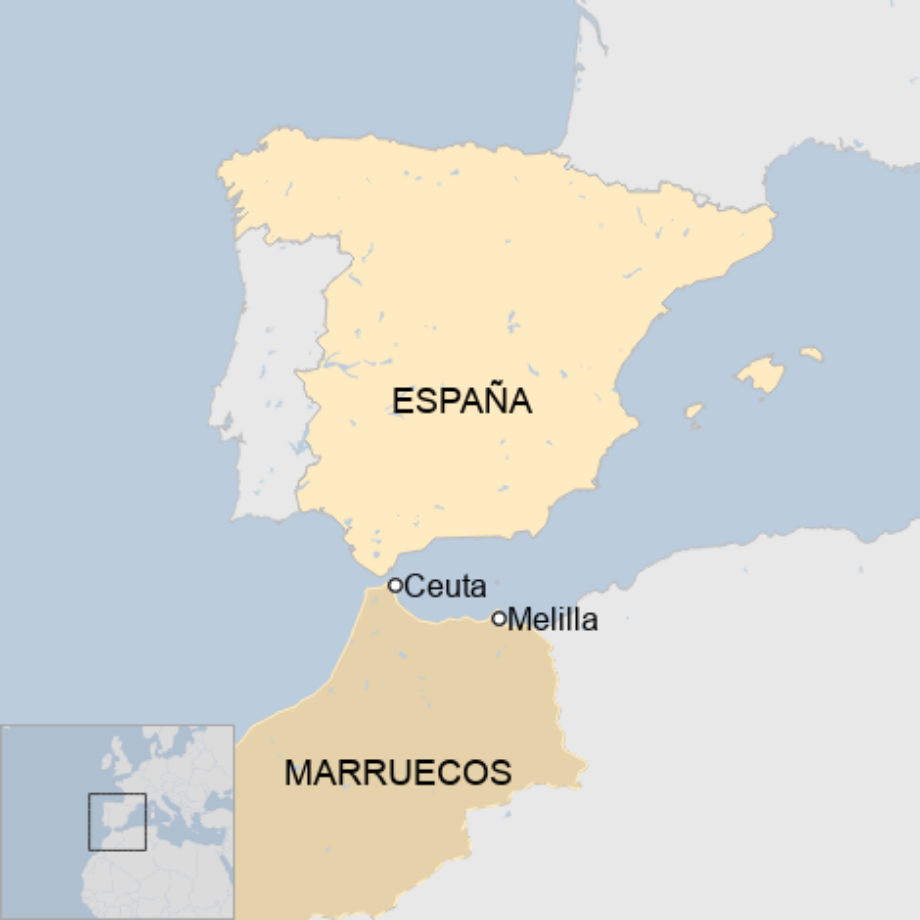
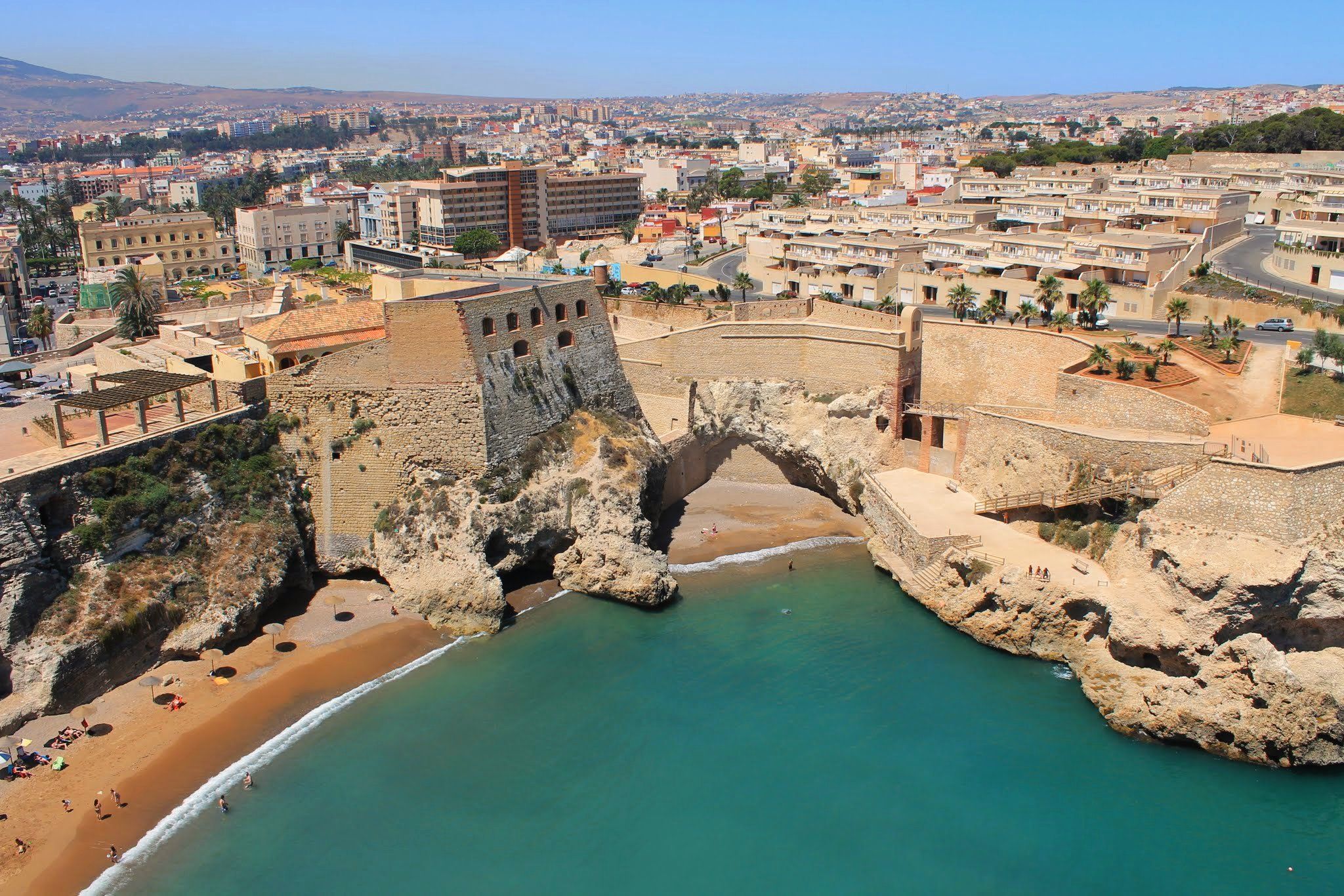
Why Does Spain Have Two Cities in Africa?

The Case of Ceuta and Melilla Source https://www.elobservador.com.uy/nota/por-que-ceuta-y-melilla-pertenecen-a-espana-si-estan-en-africa-20225202378 Spain is the only European country that has cities on the African continent. These are Ceuta and Melilla, two enclaves located on the northern coast of Africa, bordering Morocco. Their status as Spanish territories has been the subject of historical and political debate, especially due to Morocco’s … Read more

Why Does Spain Have Two Cities in Africa?

The Case of Ceuta and Melilla In this article, MaestroMío will explain why Spain has two cities in Africa. Although it may seem like a strange situation, there is a rich history of historical, political, and geographical reasons that explain Spain’s presence on the African continent. Keep reading to learn all the details about this … Read more

When to Use “sino” and “si no”

The expressions “sino” and “si no” sound the same, but they have different meanings and uses. Their correct spelling depends on the context in which they are used. In this article, MaestroMío will explain clearly and simply when to use “sino” and “si no”. Although they sound similar, they have different meanings and uses in … Read more

What Are Pinchos and How Do They Differ from Tapas?

In Spain, gastronomy is a fundamental part of the culture, and within it, pinchos and tapas play a key role. Although they are often confused, they have distinct differences in their preparation and the way they are consumed. Source https://es.wikipedia.org/wiki/Pincho Pinchos Pinchos (or pintxos in Basque) are small portions of food typically served on a … Read more

Difference among “he”, “ha”, and “eh”

The words “he”, “ha”, and “eh” are short terms but have very different meanings in Spanish. Although they may sound similar, their usage varies according to grammar and context. Below, we explain their differences with examples to avoid confusion. Click here to discover more! “He” – First-person form of the verb “haber” “He” is a … Read more

Difference among “he”, “ha”, and “eh”

The words “he”, “ha”, and “eh” are short terms but have very different meanings in Spanish. Although they may sound similar, their usage varies according to grammar and context. Below, MaestroMío will explain in a clear and simple way their differences with examples to avoid confusion. “He” – First-person form of the verb “haber” “He” … Read more