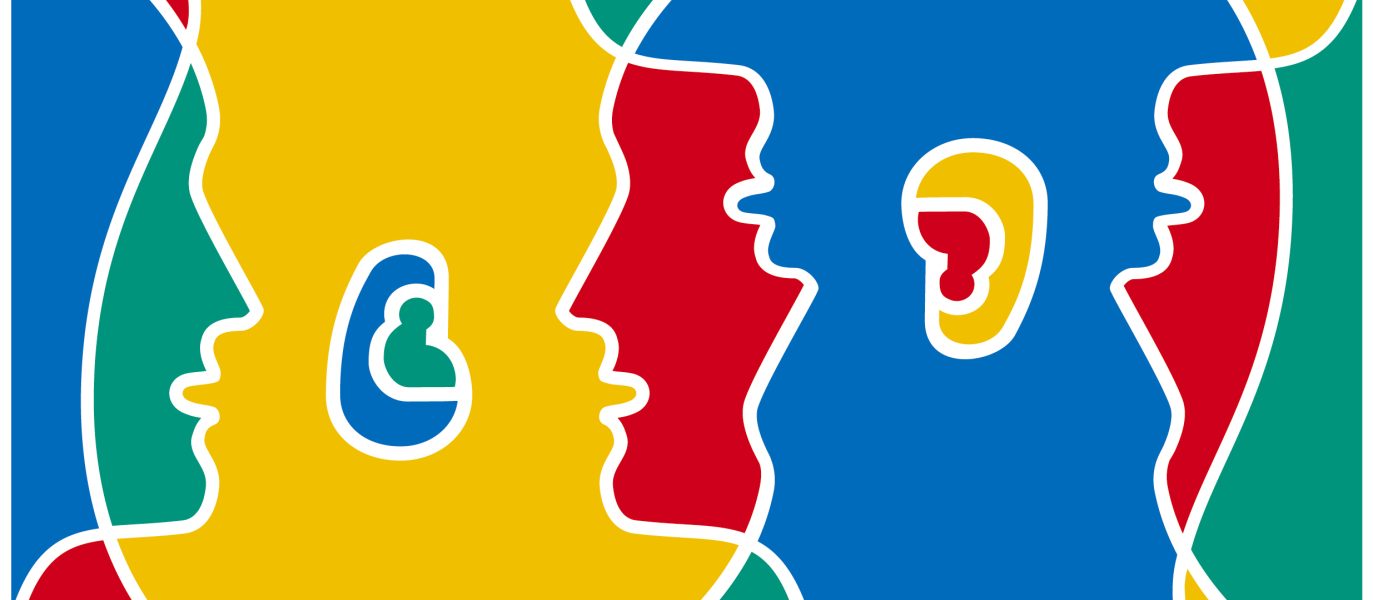
“CROSS-CULTURAL LANGUAGE.jpg” by Council of Europe/Wikimedia Commons/Attribution: Council of Europe
What is the European Day of Languages?
The European Day of Languages is celebrated every September 26th. It is an initiative created in 2001 by the European Commission and the Council of Europe with the aim of paying tribute to the linguistic diversity of our continent, which today boasts more than 200 of its own languages.
This date is the perfect opportunity to celebrate the cultural richness around us. The main goal is to motivate European citizens to learn new languages, regardless of their age, whether within a school environment or outside of it. Multilingualism not only improves social cohesion and multiculturalism, but it also breaks down barriers and increases tolerance.
Learning a language goes beyond words; it is not just about communicating with another person but also about discovering a new culture, understanding its origins, its history, and connecting with countries that also speak that language.
Spanish Culture
Every language sparks a different passion, and Spanish is one of the languages that attracts the most people for various reasons. Its rich culture is divided into several areas, such as gastronomy (tapas, paella, Iberian ham, among others), festivals and traditions (flamenco, La Tomatina, bullfighting), art and literature (Pablo Picasso, Diego Velázquez, Salvador Dalí, etc.), or sports (football with LaLiga, tennis with Rafael Nadal or Carlos Alcaraz, and motorsports with Carlos Sainz, Fernando Alonso, and Marc Márquez). All of these factors allow Spanish to influence the world, making it the fourth most spoken language globally.
But what attracts people the most is its musicality. Spanish is a romantic language with a balance of open vowels (a, e, o), which creates a rhythm akin to a song. This fluidity makes the language extremely poetic and pleasant to hear. This unique trait explains why Spanish songs are a phenomenon that gets the whole planet dancing.
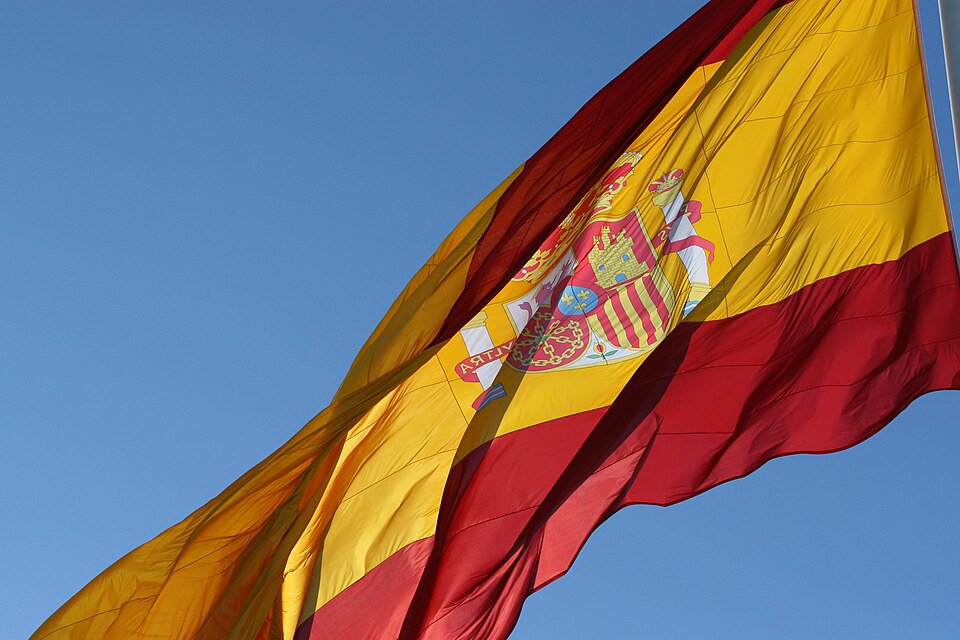
“Spanish flag.JPG” by Gilad Rom/Wikimedia Commons/Creative Commons Attribution-Share Alike 3.0
Why Start Learning Spanish?
Learning Spanish means learning a language with more than 500 million native speakers, speaking the official language of twenty-one countries, and the second most spoken language in the United States. Learning Spanish opens doors not only in your personal life but also in your professional life, as it is a highly sought-after skill on the international market. Therefore, it opens doors for the future.
Spanish is one of the easiest languages to learn because it is read exactly as it is written, and the letters only have one sound, making it an accessible language—not to mention its resemblance to Portuguese, French, Italian, and a slight similarity to English. Having access to Spanish culture is also a great reason to learn the language and understand songs, books, or series like Money Heist (La casa de papel).

“Examen Olimpiada Matemática Navarra” by UPNA/Wikimedia Commons/CC BY-SA 4.0