



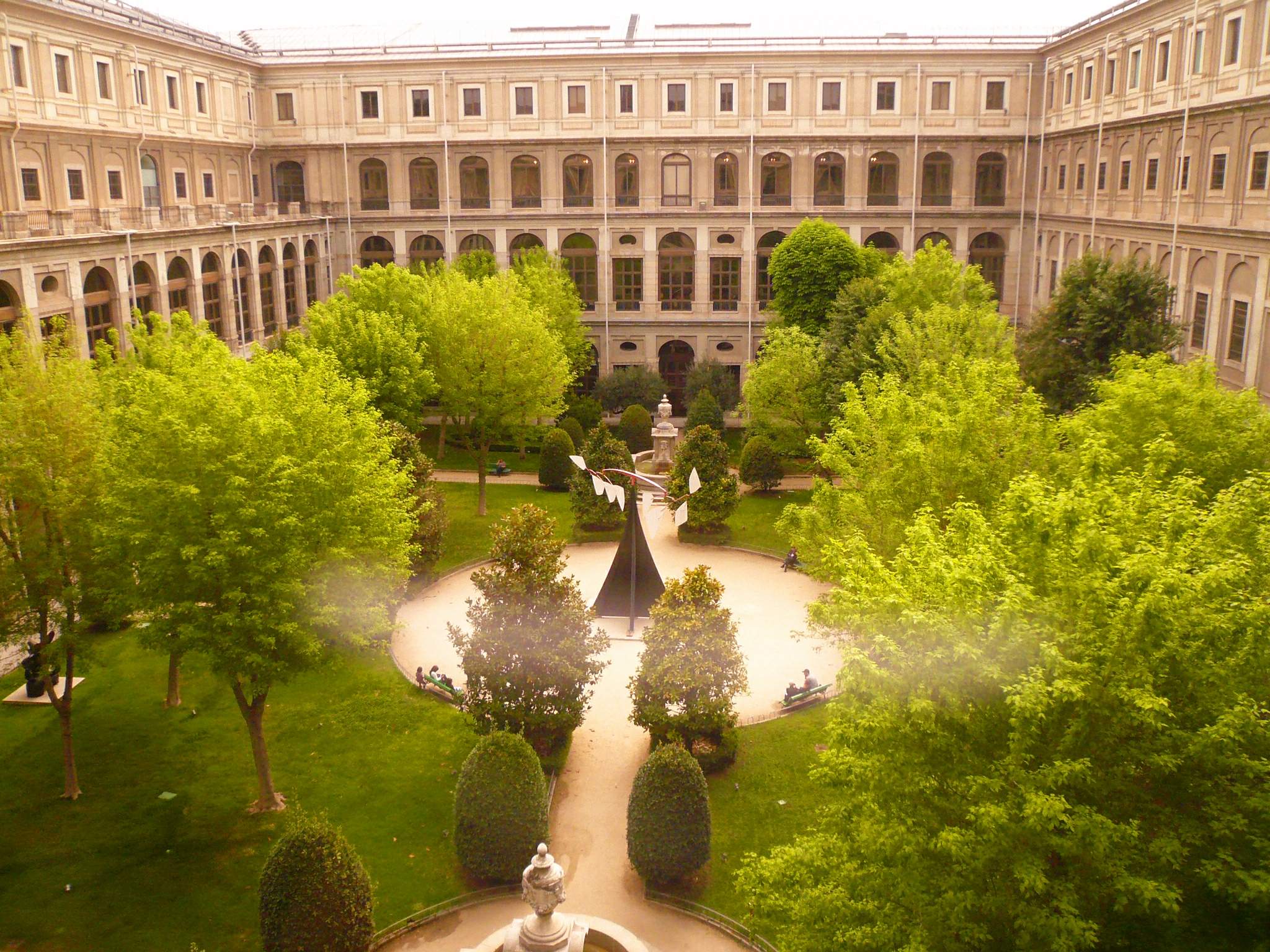
If there is something that characterizes Spanish culture—beyond its festivals, its gastronomy, and its unique way of living the streets—it is the way history and tradition are reflected in its neighborhoods and courtyards. In Madrid, every street, every square, and every courtyard tells stories from past centuries, and exploring these corners allows you to discover a city full of life, culture, and authenticity. In this article, we explore the origin of Madrid’s courtyards, the evolution of its traditional neighborhoods, and why they remain a living treasure of the capital.
Courtyards – Between History and the Present
Although today it seems natural to stroll through Madrid de los Austrias or stop in a courtyard full of plants and flowers, these traditions have deep roots. Courtyards emerged as interior spaces of houses, designed to provide light, ventilation, and a place for family gatherings. Over time, they became true urban gardens, where decoration, vegetation, and everyday life blend with the architectural history of the city.
Portal de búsqueda de CC
Not Only Historical Places, But Also Meeting Points
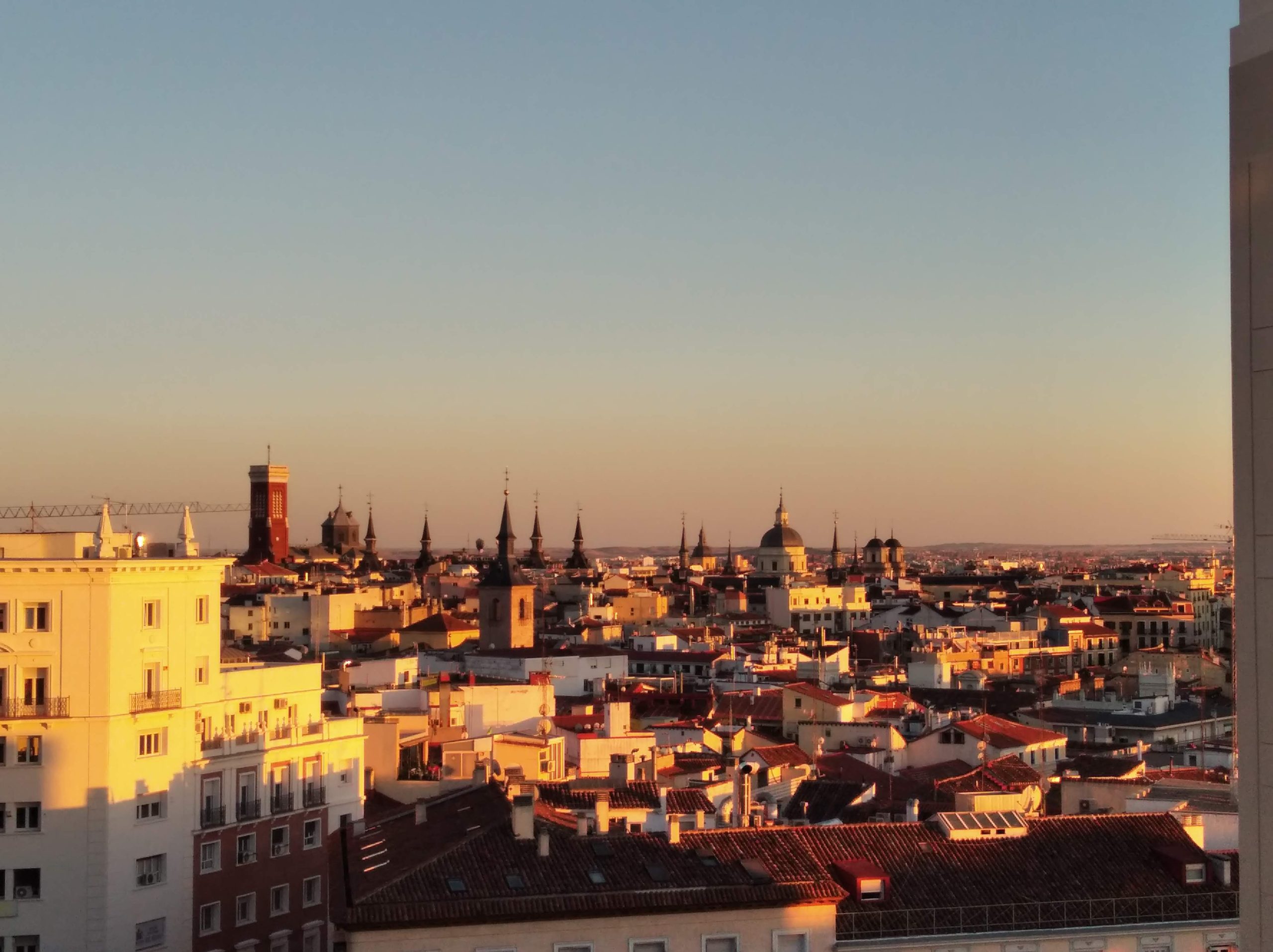
The charm of traditional neighborhoods such as Lavapiés, La Latina, or Chamberí lies in how these courtyards and alleyways preserve the essence of Madrid life. Walking through them is like traveling back in time: centuries-old facades, flower-decorated balconies, and cobbled streets remind us of how past generations lived. But these spaces are not only historical: today they are social meeting points where neighbors greet each other, children play, and local artists find inspiration.
Getting Lost Among the Courtyards Becomes a Complete Experience
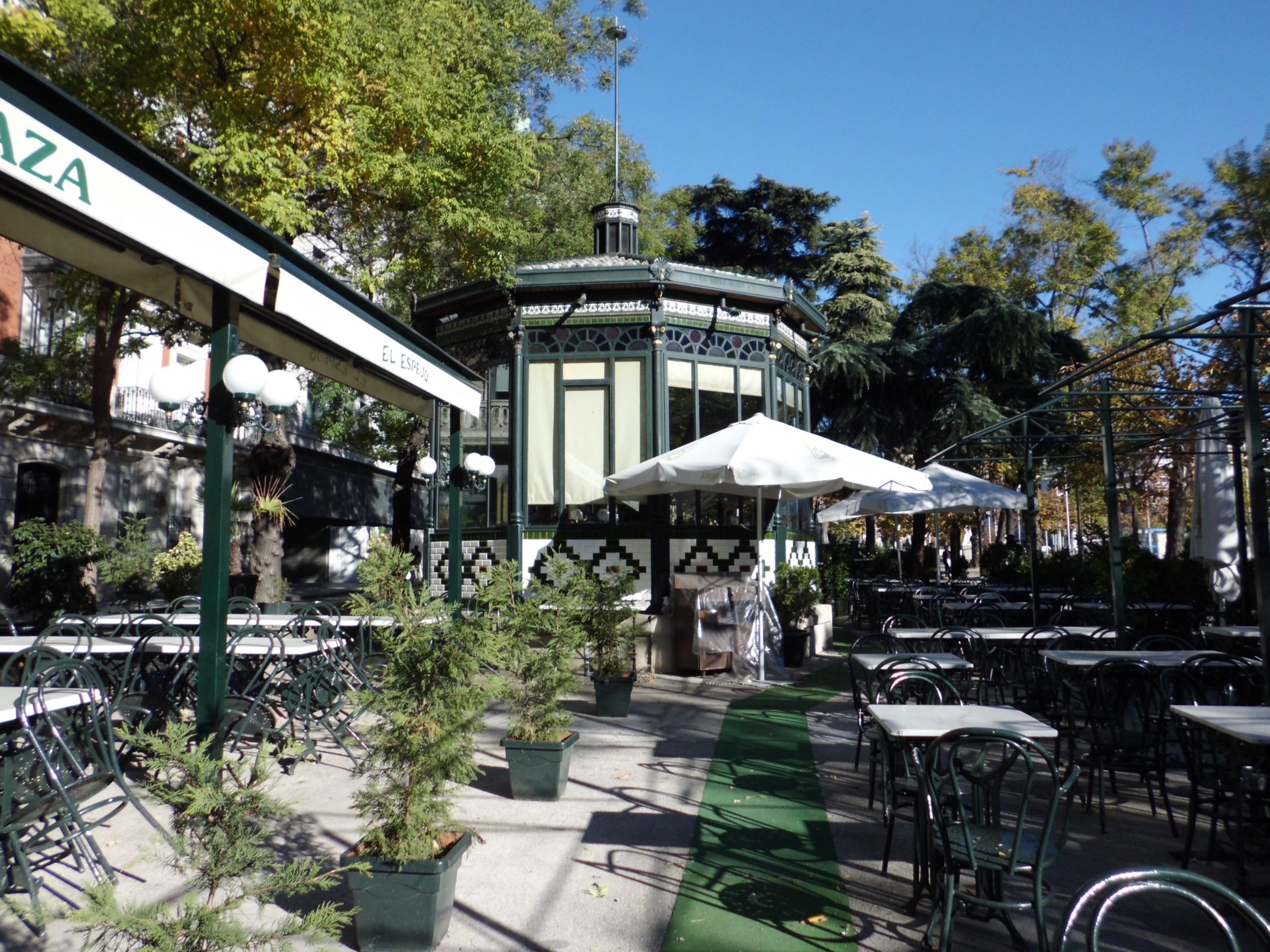
The most interesting aspect of these courtyards and neighborhoods is how they are experienced today. Many homes open their courtyards during festivals and competitions, showcasing their beauty to the public and encouraging community life. Tourists and locals take part in guided tours that combine history, architecture, and anecdotes from Madrid life, while cafés and local shops animate the squares with music and cultural activities. The experience becomes more than just a walk; it is an immersion in the tradition and soul of Madrid.
Portal de búsqueda de CC
Cultural Diversity as a Symbol of Unity
Moreover, these spaces reflect the city’s cultural diversity. Each neighborhood has its own character: Lavapiés is multicultural and vibrant, La Latina combines history and leisure, while Chamberí preserves the elegance of Madrid’s more stately past. This variety makes each visit unique and turns courtyards into symbols of identity and local pride.
Much More Than Simple Architecture or History: Stories of Everyday Life
Madrid’s courtyards and traditional neighborhoods are not only architecture or history ; they are places of encounter, memory, and daily life. Beyond facades and squares, what truly remains in memory are shared moments: a conversation between neighbors, an unexpected architectural discovery, or the simple beauty of a flower-filled corner under the sun. These spaces remind us that every street and courtyard are silent witnesses to the history, culture, and life that make Madrid such a special city.