


CC Search Portal
If there is one thing that stands out in Spanish culture—besides its popular festivals, gastronomy, or its unique way of life in the streets—it is how certain nighttime celebrations endure in tradition. The Night of San Juan (St. John’s Eve), celebrated from June 23rd to 24th, is one of those festivities that combines fire, the sea, and mystery, illuminating summer nights in Spain. In this article, we will explore the origins of this festival, its rituals, and the reasons why it remains one of the country’s most iconic traditions.
Ancient Origins Between Fire and Water
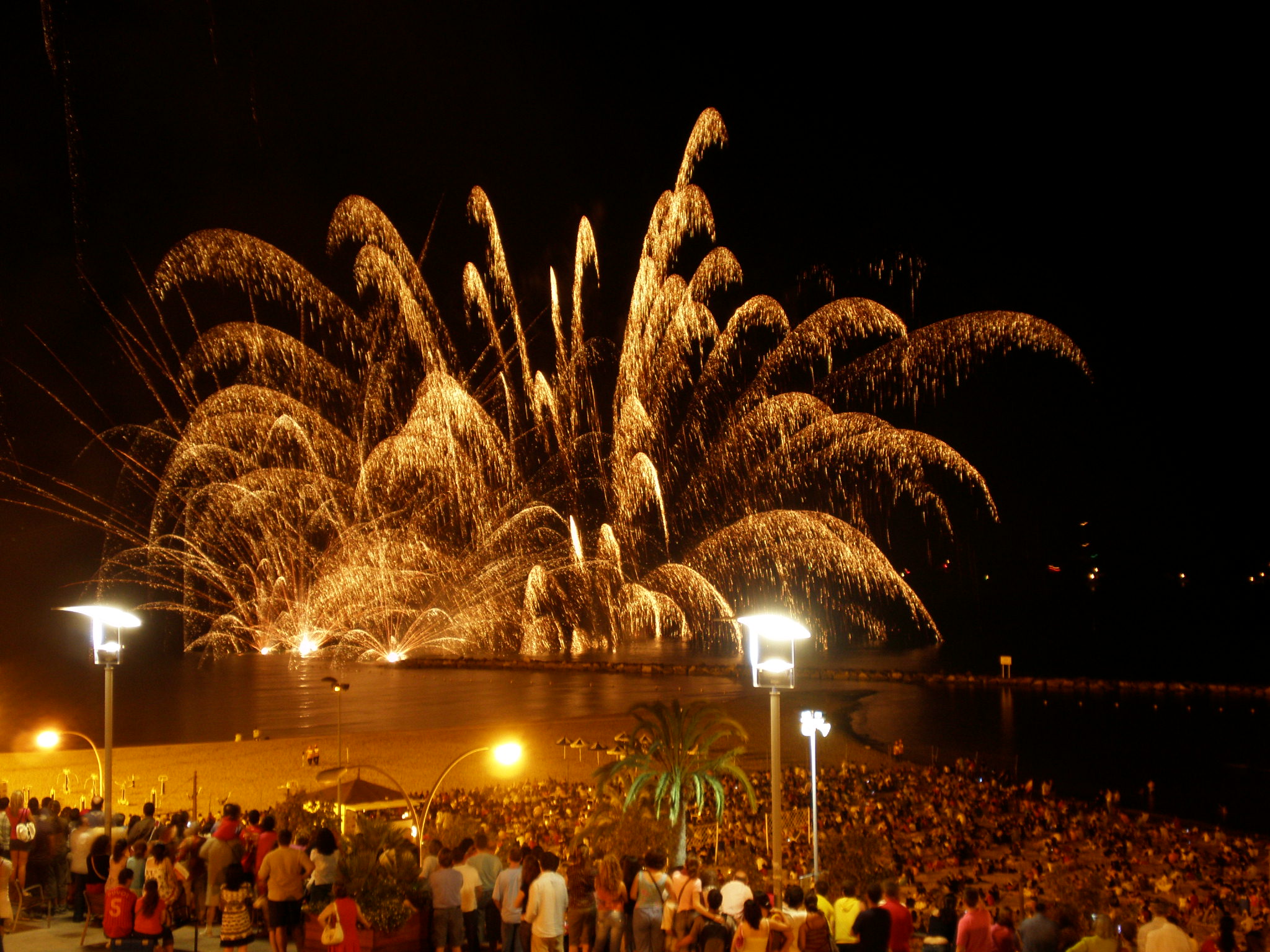
Today, it seems natural to see bonfires on Spanish beaches on the Night of San Juan, but this tradition did not always exist in its current form. Its roots trace back to pagan rites linked to the summer solstice—a time of year when the sun’s energy was celebrated through rituals of fire and water. Ancient peoples believed that these purifying bonfires warded off evil spirits and brought good luck, health, and fertility.
With the arrival of Christianity, this celebration became associated with Saint John the Baptist, whose eve coincides with the solstice. The fusion of ancient rites and Christian tradition gave rise to the Night of San Juan we know today—a night where fire and water symbolize purification, renewal, and protection.
CC Search Portal
Fire: The Key Element of the Festival
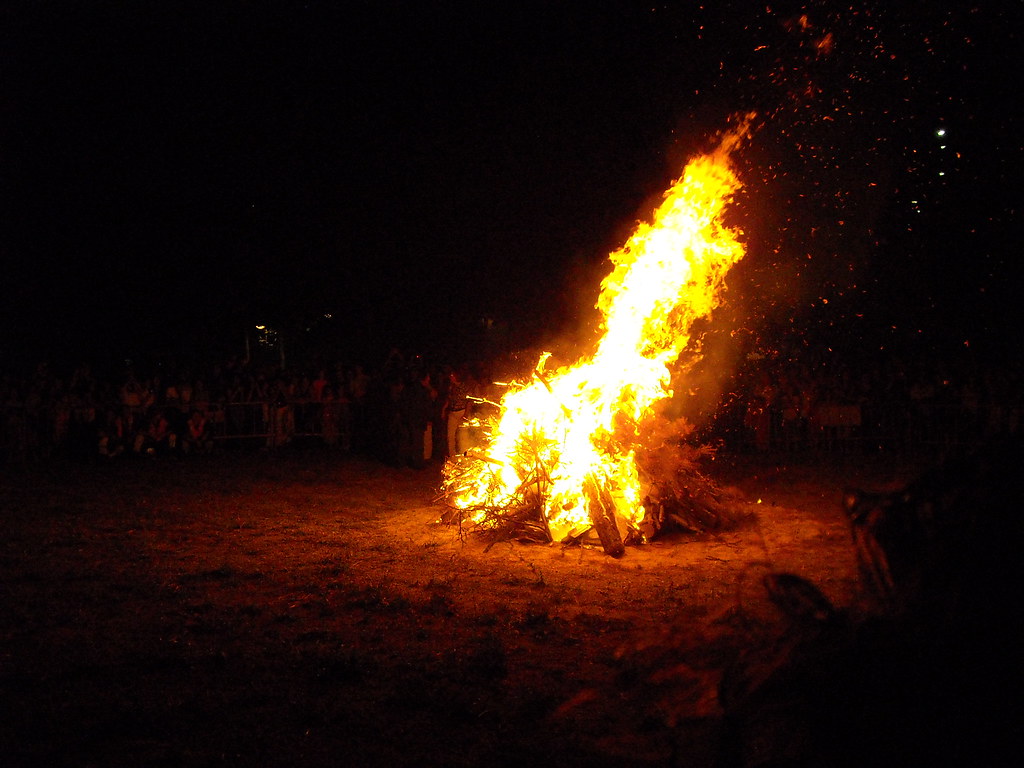
The uniqueness of the Night of San Juan lies in its nocturnal rituals. In almost all coastal cities in Spain, such as Barcelona, Valencia, Alicante, or San Sebastián, bonfires are lit on beaches and squares. According to tradition, jumping over the fire brings good luck and wards off negative energy. Participants sometimes write their wishes on paper and throw them into the flames, hoping they will come true within the following year.
Additionally, midnight swims in the sea are a popular custom. It is believed that the water, charged with the energy of the solstice, purifies both body and spirit. Families, friends, and even strangers gather together to share this experience in a festive atmosphere, where music, dancing, and laughter blend with the warmth of the fire.
A Spirit of Community and Shared Celebration
What makes the Night of San Juan so special is not only the spectacle of fire and waves, but also its community character. Children watch adults jumping over the fire, teenagers swim under the moonlight, and adults preserve ancient traditions. In some cities, local contests are held where residents build the largest or most original bonfires, strengthening the sense of belonging to a shared culture.
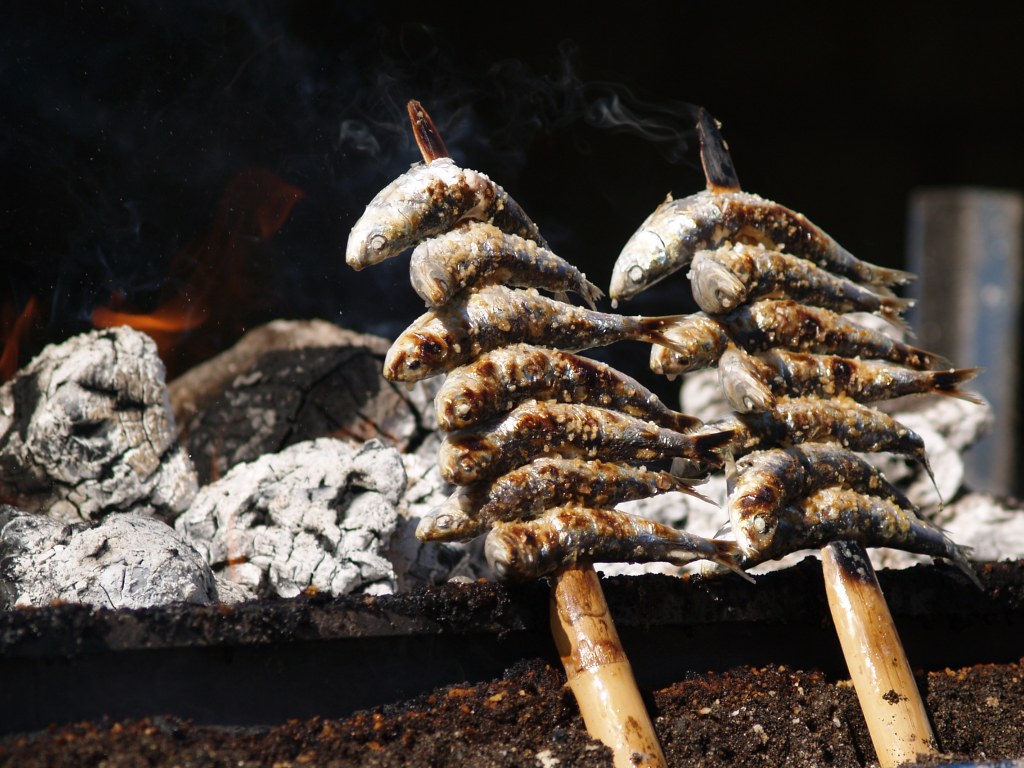
This night is also a showcase for Spain’s regional cultures: traditional music, dances, local cuisine, and characteristic superstitions enrich every celebration.
CC Search Portal
A Local Festival Transcending Borders
The Night of San Juan is not only celebrated in Spain. In several Latin American countries, such as Venezuela or Peru, this tradition was adopted and adapted with local nuances, often including bonfires, swims, and good luck rituals. This expansion demonstrates the symbolic power of the festival: fire, water, and the night serving as universal ways to celebrate renewal and life.
More Than Just Bonfires—Shared Unforgettable Moments
The Night of San Juan is much more than just a holiday; it reflects the very essence of Spanish culture, blending history, superstitions, and community life. The fire, the waves, and the rituals are not merely a spectacle, but an ancient belief in purification and renewal passed down from generation to generation. After all, what lingers in the memory is not just the fire and the midnight swims, but the shared moments: the laughter, the songs, and the feeling of welcoming a new summer under the stars, with a touch of magic in the air.