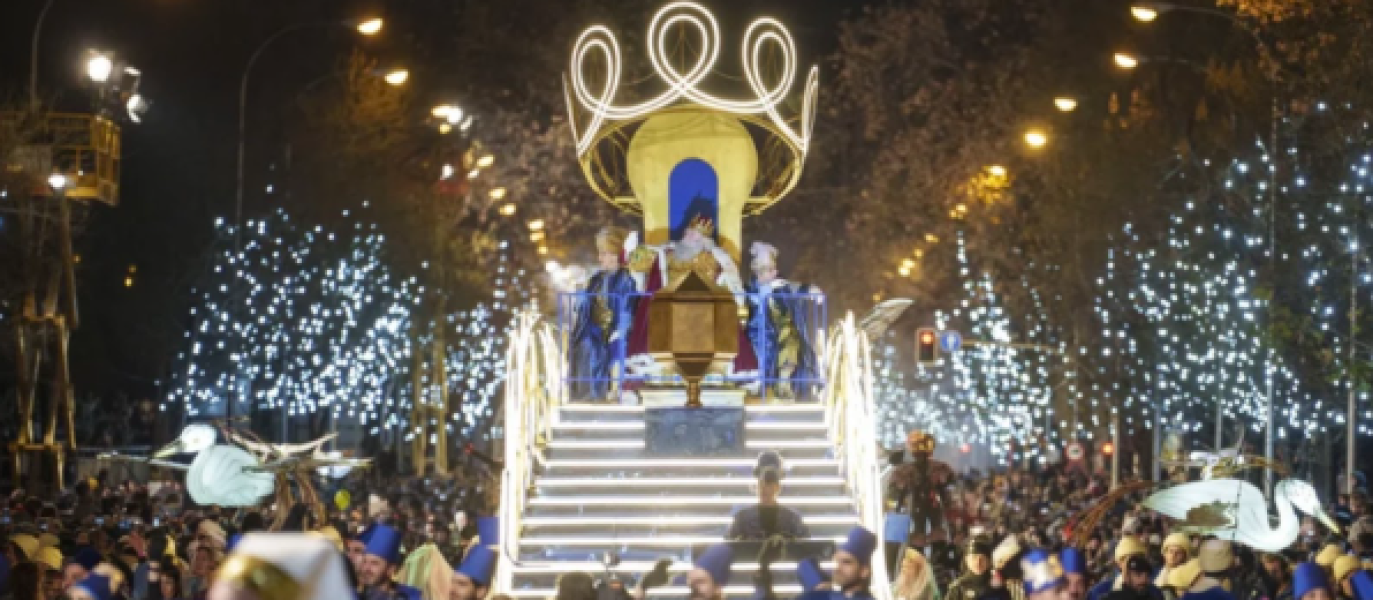
In the Spanish calendar there are many dates marked by celebrations, special foods and family gatherings, but few generate as much excitement as January 6th. For many children — and not only children — this day is even more eagerly awaited than Christmas. It is Three Kings’ Day, a celebration that combines religious tradition, popular culture and a touch of magic that is renewed every year. In this MaestroMío article, we explore what is really celebrated on January 6th, where this tradition comes from and why it continues to play such an important role in Spanish society.
A biblical origin turned into a popular tradition
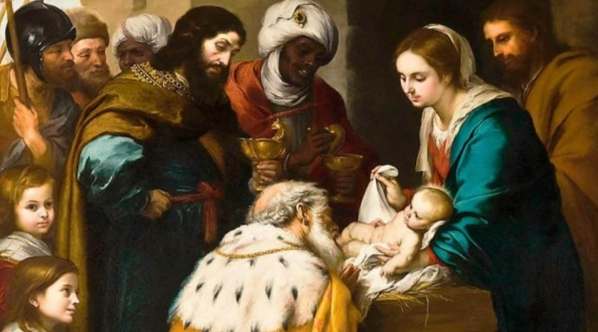
January 6th commemorates the Epiphany of the Lord, a Christian feast that recalls the visit of the Three Wise Men from the East — Melchior, Caspar and Balthazar — to the baby Jesus. According to the Gospel of Matthew, these wise men followed a star to Bethlehem to pay homage to the newborn and offer him three gifts: gold, frankincense and myrrh, symbols of kingship, divinity and humanity.
Although its origins are religious, over time this celebration took on an increasingly popular and family-centered character. In Spain, the Three Kings became the true protagonists of childhood, turning into the ones who bring gifts to children during the night of January 5th to 6th. In this way, the Epiphany evolved from a liturgical feast into one of the most beloved days of the year.
The most magical night: parades and childhood anticipation
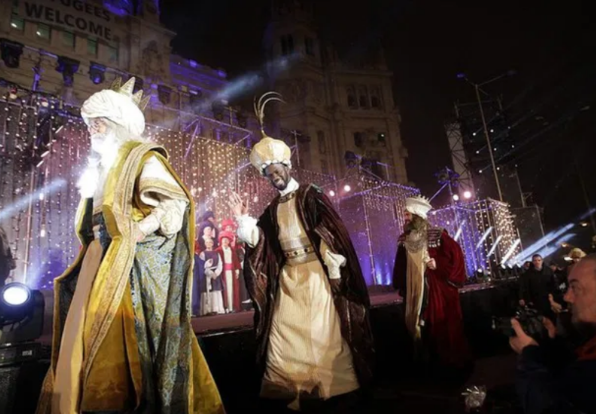
The real excitement begins on the afternoon of January 5th, when cities and towns all over Spain hold the traditional Three Kings Parade. Melchior, Caspar and Balthazar ride through the streets on colorful floats, accompanied by music, lights and fantastical characters, while throwing sweets to children. It is a moment of shared illusion, when imagination takes over public spaces.
That night, before going to bed, children place their shoes by the door and leave food for the Kings and water for the camels. The anticipation is intense: falling asleep is difficult when magic is about to happen. On the morning of January 6th, gifts appear as if by magic… or, if behavior has not been the best, the symbolic coal may appear — nowadays usually a sweet.
Much more than gifts: family and tradition
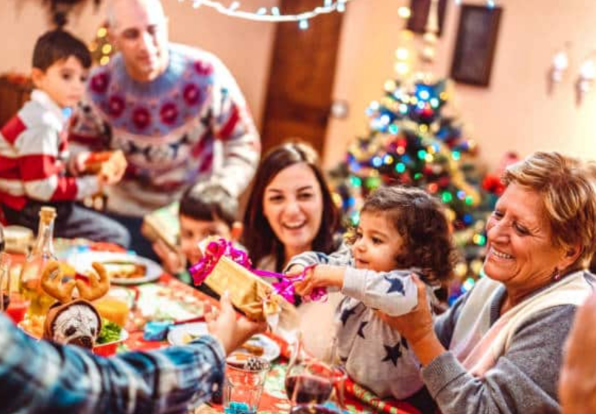
Although presents are the most visible part of the celebration, Three Kings’ Day is above all a family occasion. Families often gather for breakfast, talk about the gifts and spend the day together. In many homes, the star of the table is the roscón de Reyes, a traditional ring-shaped cake decorated with candied fruit and filled with cream, custard or chocolate.
Inside the roscón there are two hidden surprises: a small figurine and a dried bean. Whoever finds the figurine is crowned king for the day; whoever finds the bean has to pay for the cake. A small ritual that adds humor and a sense of togetherness to the celebration.
A tradition that educates and brings generations together
January 6th does not only keep a centuries-old tradition alive; it also conveys important values such as hope, patience, generosity and the joy of sharing. Children learn to wait, to be grateful and to experience magic collectively, while adults relive memories of their own childhood.
Ultimately, in Spain January 6th celebrates much more than the arrival of the Three Kings. It celebrates the ability to believe, to come together and to keep traditions alive from one generation to the next. Because no matter how old we get, there is always one night when we all look at our shoes with the same sense of wonder as ever.