
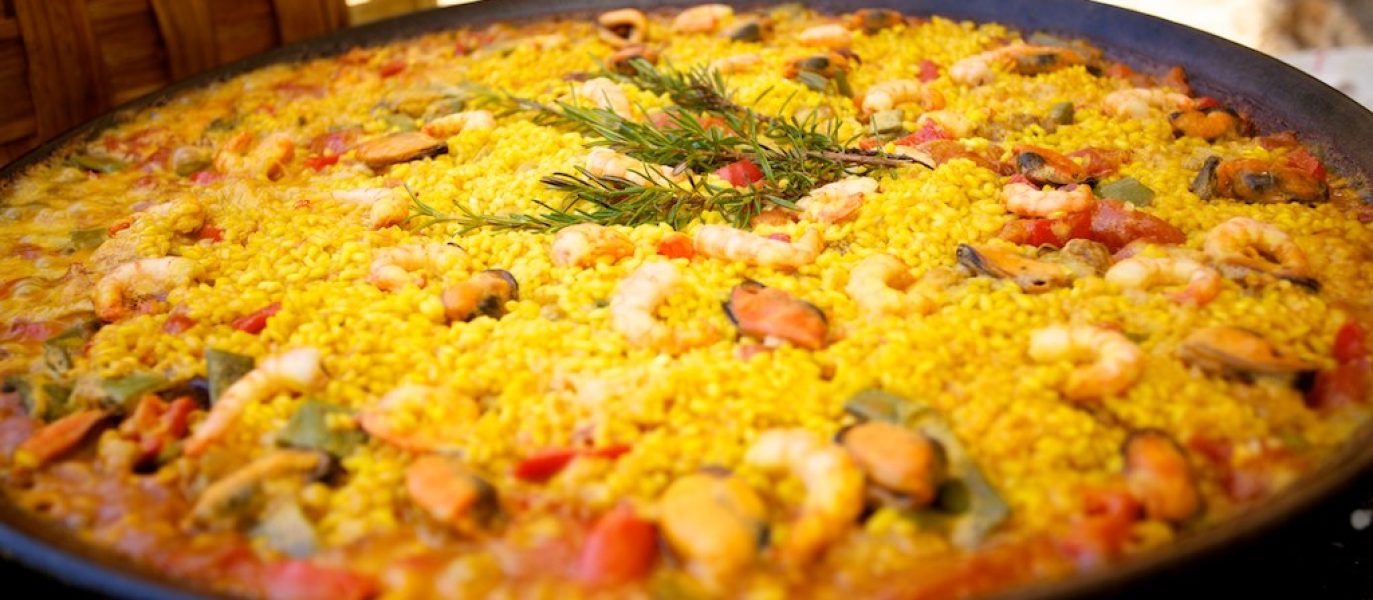
Across Spain, every evening, the streets, cafés, and restaurants fill with a very particular rhythm: late dinners. Unlike other European countries, where dinner is usually eaten between 6:00 and 7:00 p.m., in Spain restaurants start to fill up between 9:00 and 11:00 p.m., or even later. This delay is no coincidence: it reflects Spanish history, culture, and lifestyle, turning every meal into a unique social moment.
A tradition that combines history and modern life
Eating dinner late in Spain has historical roots. Geographically, Spain should follow the same time zone as Portugal and the United Kingdom (GMT). However, in 1940, under Franco’s regime, the country moved its clocks one hour forward to align with Germany (CET), a change that was never reversed.
This time difference means that when the clock shows 10:00 p.m., the sun is still relatively high, and the daily rhythm of Spaniards—work, school, leisure—continues well after sunset. This historical adjustment has shaped the entire pace of Spanish life, pushing meals and social activities to later hours.
Lunch: the main meal of the day
Spain is known for its hearty midday meal, called la comida, usually served between 2:00 and 3:00 p.m. It is a time for families to gather, enjoy generous portions, and extend conversations. After such a substantial meal, it is natural not to feel hungry again until late in the evening.
Between lunch and dinner, Spaniards often have a merienda, a light snack such as coffee, yogurt, a slice of bread, or fruit. This break helps maintain energy and turns dinner into a moment of relaxation and socializing rather than a simple nutritional necessity.
Dinner as a social moment
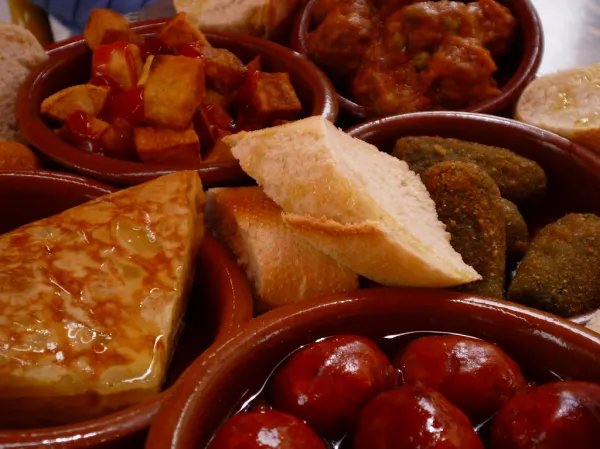
In Spain, dinner is not just about eating; it is a social and cultural experience. Restaurants, bars, and terraces come alive from around 9:00 p.m., and conversations often continue long after the meal ends. Tapas, small dishes meant to be shared, extend the experience and encourage social interaction among friends or colleagues.
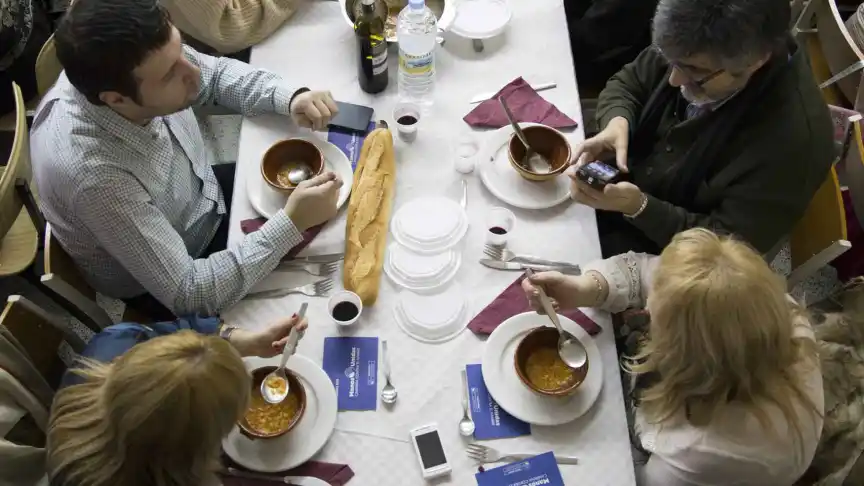
In large cities like Madrid or Barcelona, dinner is often followed by nightlife, moving from bars to cafés, making the meal a true cultural and social experience. Dinner becomes a privileged moment to gather, share, talk, and enjoy the rhythm of the city.
The influence of climate and daylight
Climate also plays an important role. In southern Spain, where daytime temperatures can be very high, it is more pleasant to eat dinner when the sun begins to set and the air cools down. The late natural light also encourages a longer social life, with meals lasting well into the night.
A deeply rooted Mediterranean culture
Eating dinner late is part of Spanish culture. It reflects a lifestyle that values shared time, togetherness, and social life. Although some specialists recommend eating earlier for health reasons, this tradition persists because it is deeply embedded in daily life and in Spanish cultural identity.