


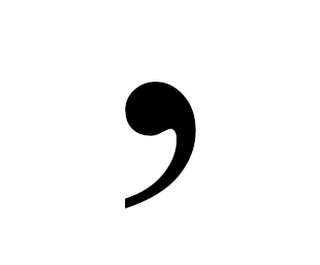
The comma is one of the most important punctuation marks in Spanish. Although it is often underestimated, its correct use makes the difference between a clear text and a confusing one. The comma allows ideas to be organized, separates elements logically, and gives rhythm to reading, making messages more understandable. Without it, sentences can become ambiguous or even change their meaning.
One of the most common uses of the comma is in enumerations. It is always placed between the elements of a list, but never before the final conjunction, such as “and” or “or.” For example: I like apples, pears and bananas. The comma helps clearly separate the elements. If we place a comma before the final conjunction, the text looks incorrect and can interrupt the flow of reading.
The comma is also essential for parenthetical clauses or additional information within a sentence. These clauses add extra information without altering the main meaning of the sentence. For example: My sister, who lives in Barcelona, will come to visit this weekend. The commas before and after the clause delimit the additional information and allow the reader to clearly identify the main idea.
Another common use of the comma appears after introductory elements, such as expressions of time, place, or manner. Starting a sentence with such an expression requires a comma to mark an initial pause and organize the rhythm of the text: In the morning, I usually read a book before studying. This initial pause helps the reader better understand the temporal or contextual sequence of the sentence.
In vocatives, when we address someone directly, the comma is essential. For example: Luis, come here for a moment. Likewise, after interjections expressing emotion, the comma marks the necessary pause: Oh, what a joy to see you! These pauses reflect how we would naturally speak and help make writing more expressive.

Finally, the comma plays a key role in long or complex sentences and in dialogues or direct quotations. In sentences with multiple ideas, the comma separates concepts to avoid confusion: The dog, tired after the walk, lay down in his bed and fell asleep. In dialogues, the comma introduces the quotation: Marta said, “See you tomorrow at the park.” Without these pauses, reading would be much more difficult and less clear.