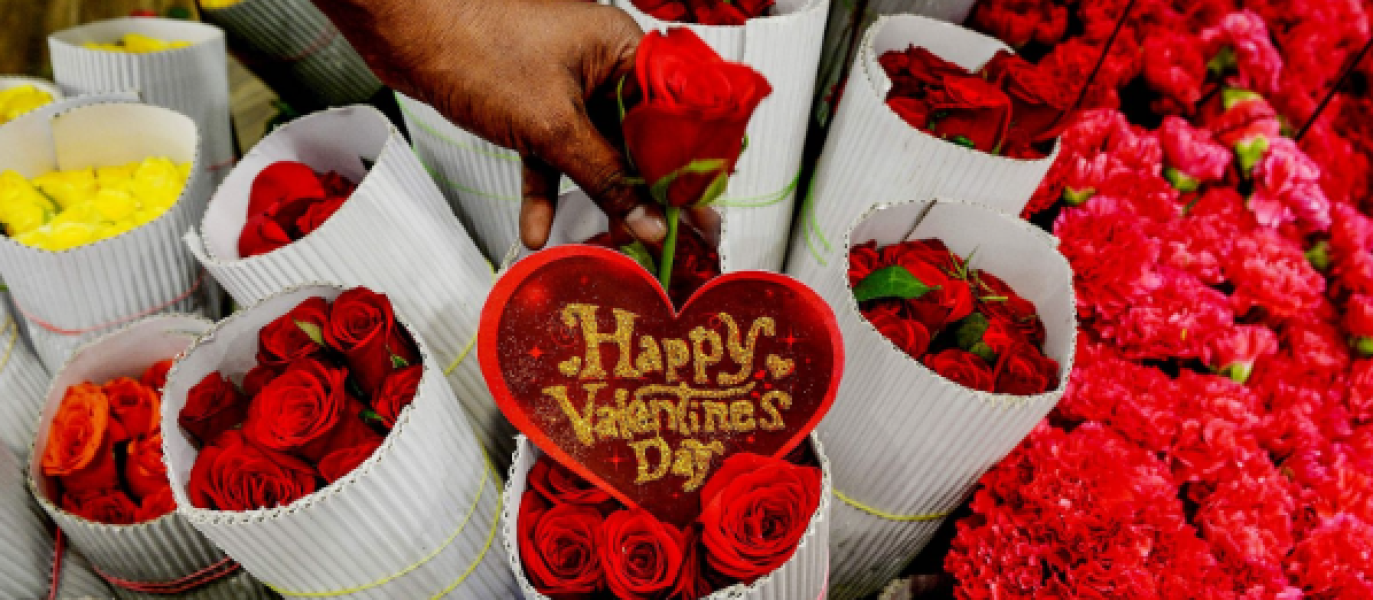
Every February 14th, hearts, flowers, and cards fill the shop windows and streets of cities and towns across Spain. Valentine’s Day, also known as the Day of Lovers, is a date that blends romance, tradition, and small surprises that bring smiles. In this article from MaestroMío, we explore how this day is celebrated in Spain, its history, its symbols, and why it remains a special occasion to share love and affection.
An Ancient Origin That Crosses Borders
Valentine’s Day has its roots in medieval Europe, although its exact origin is surrounded by legends. It is believed that Saint Valentine, a Roman priest in the 3rd century, defied imperial laws by secretly marrying young couples, challenging Emperor Claudius II’s prohibition on marriage. His act of bravery and selfless love made him a symbol of romance and dedication.
In Spain, the tradition of celebrating love on February 14th arrived later, influenced by Anglo-Saxon and European customs. Over the years, the date has become an opportunity not only for couples but also for friends and family, who use the occasion to express affection and gratitude through gifts, cards, and thoughtful gestures.
Flowers, Chocolates, and Heartfelt Messages

When we think of Valentine’s Day, the first things that come to mind are traditional gifts: flowers and chocolates. In Spain, red roses are the quintessential symbol of love, and it’s common for florists and shops to be filled with buyers looking to surprise their partner. Chocolates, often in boxes decorated with hearts or romantic messages, accompany these gestures, forming a classic combination that never fails.
But creativity knows no limits: many people choose to write handwritten letters or personalized messages, express affection through small details, or plan special dates. In cities like Madrid, Barcelona, or Seville, restaurants offer themed menus, and some bookstores and cafés organize love letter writing workshops or cultural events related to romance.
Valentine’s Day Beyond Couples
Although the traditional celebration focuses on lovers, Spain has adapted this day to be inclusive and close to everyone. Friends, family members, and even coworkers participate in acts of affection, exchanging cards, messages, or small gifts. In schools, for example, children often prepare cards and crafts for their classmates, learning to express love and friendship from an early age.
In this way, Valentine’s Day celebrates not only romantic love but also love in all its forms, strengthening bonds and fostering gratitude toward those around us.
The Importance of Details
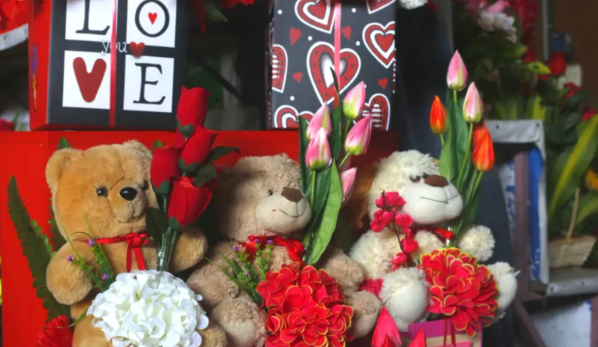
What makes Valentine’s Day special in Spain is not expensive gifts, but the details that show care and attention. A homemade dinner, an unexpected message, or a dedicated poem can be as memorable as any material present. It is a reminder that love is built day by day, and simple gestures can have immeasurable value.
Valentine’s Day and Spanish Culture
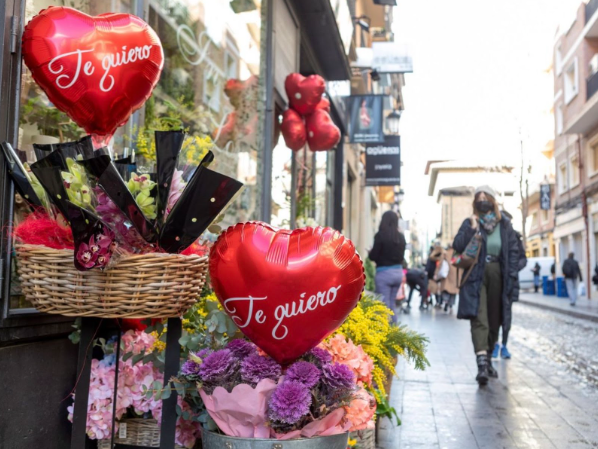
Valentine’s Day is also reflected in culture and art. In Spanish literature, music, and cinema, romantic love holds a privileged place, and the February 14th celebration serves as inspiration for stories, songs, and poems. Moreover, streets and squares are filled with a special atmosphere: decorated shop windows, cafés with hearts, and spaces that invite sharing moments of closeness.
A Day to Believe in Love
Ultimately, Valentine’s Day in Spain is much more than hearts and flowers: it is a reminder of the importance of expressing affection, valuing relationships, and enjoying the company of those who matter to us. Although traditions evolve and each generation adapts them to their style, the essence remains: celebrating love in all its forms and sharing moments that stay in our memory.
Because, in the end, Valentine’s Day is not just a date on the calendar; it is an invitation to look into the eyes of those we love and tell them how much they mean to us—with words, gestures, or simply a smile that says it all.